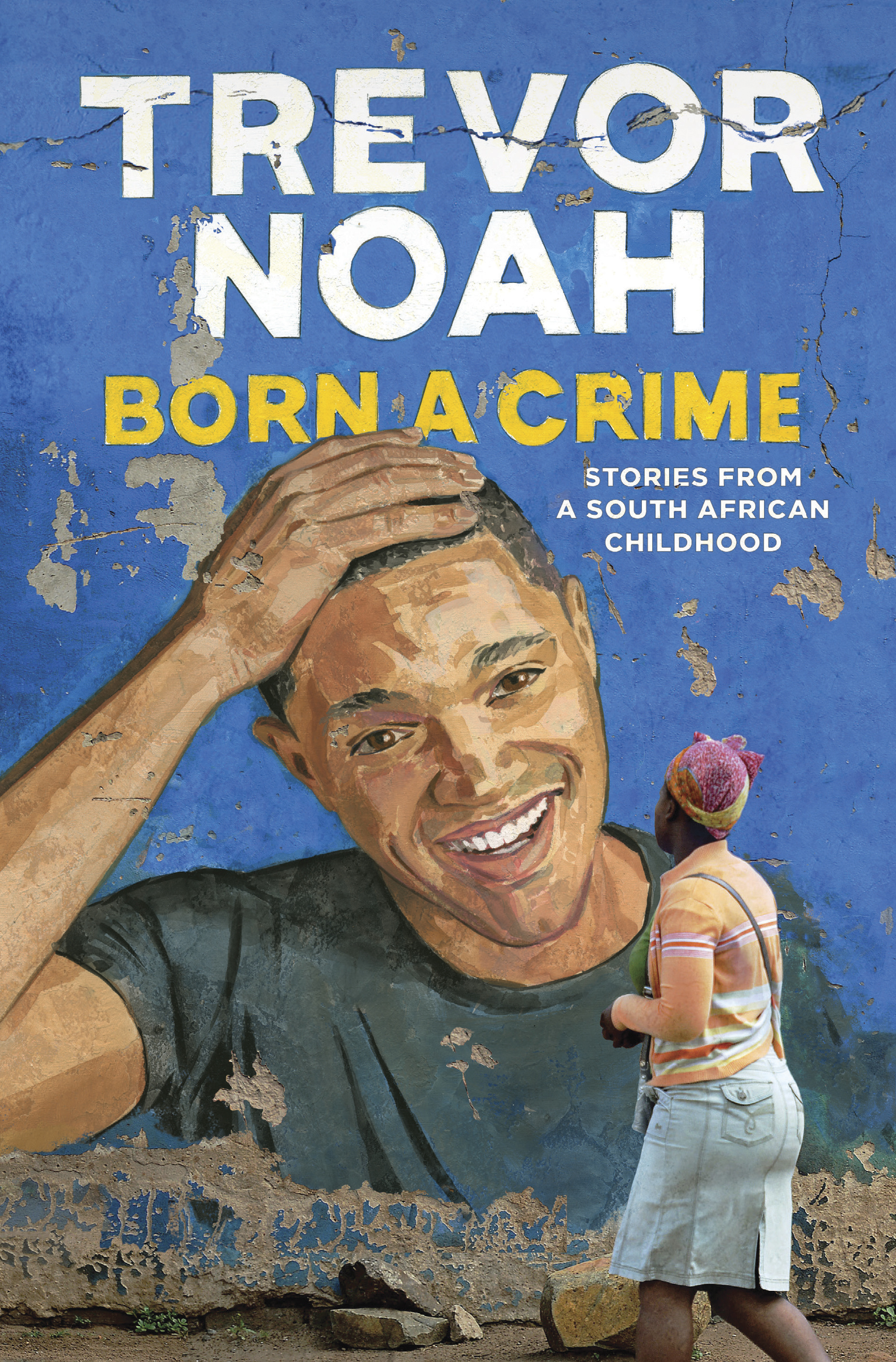
book cover

Born a Crime

#1 NEW YORK TIMES BESTSELLER

More than two million copies sold! A “brilliant” (Lupita Nyong’o, Time), “poignant” (Entertainment Weekly), “soul-nourishing” (USA Today) memoir about coming of age during the twilight of apartheid.

Meet the author

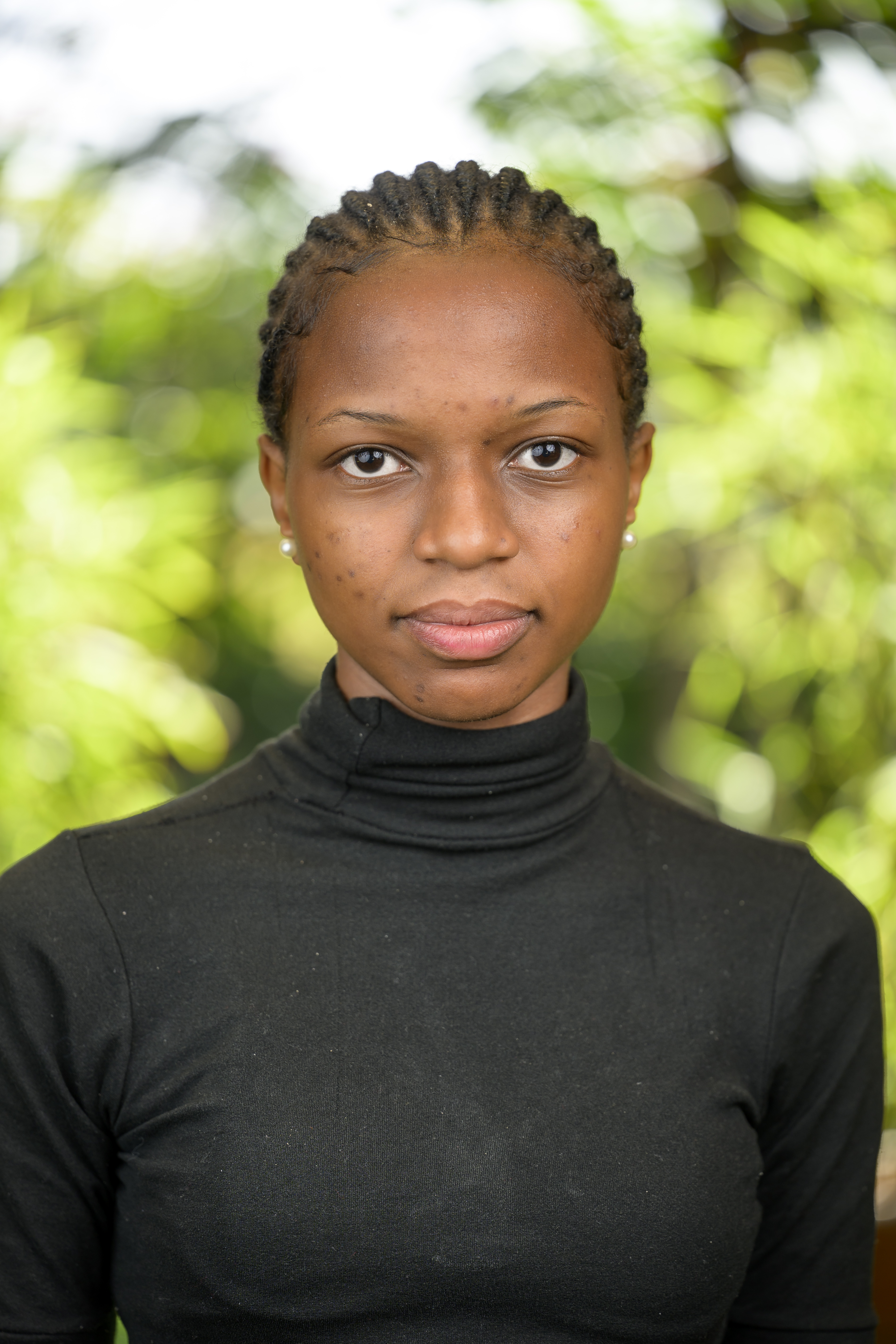
Trevor Noah was born on February 20, 1987, in Johannesburg, South Africa, to a Xhosa mother Patricia and swiss_German father, Robert. Trevor is a South African comedian, actor, political commentator and host of The Daily Show, an American late-night talk. Trevor was named one of "The 35 most powerful people in the New York Media" by The Hollywood report in 2017 and 2018. In 2018, Time magazine named him one of the 100 most influential people in the world.

Trevor Noah

Book Themes

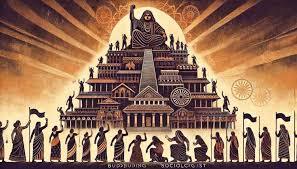
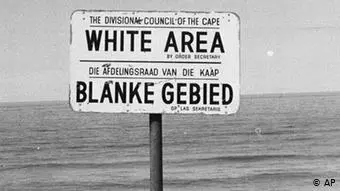
Legacy of Apartheid: Systemic Inequality

Apartheid’s effect still linger in Trevor’s mother, Patricia and Trevor was not able to be in his father’s life for over a decade.

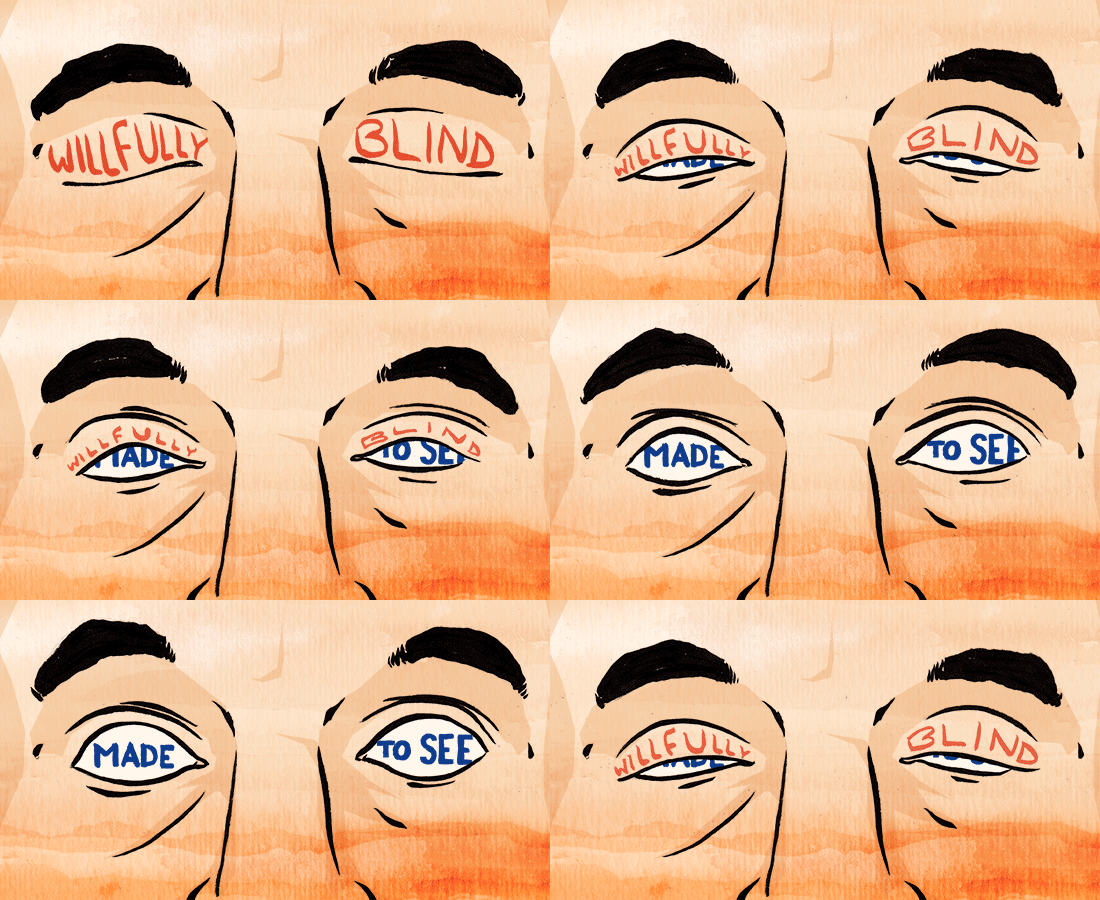
Local community: Systemic inequality still persists in African communities. In Ethiopia, certain nationalities are privileged to jobs and others not so. In Kenya, white and indians have access to certain things and others not because of the color of their skin. And In South Africa, apartheid’s legacy remains visible in persistent racial inequalities, spatial segregation, and limited access to resources for Black communities. Decades after apartheid’s end, Black South Africans continue to face systemic barriers in education, employment, and housing, with many still living in under-resourced townships far from economic centers. The trauma and socioeconomic disadvantages inflicted by apartheid have been transmitted across generations, shaping attitudes, opportunities, and even psychological well-being.

Global context: the legacy of apartheid resonates with other societies struggling with the consequences of institutionalized racism such as the United States’ history of segregation, Australia’s treatment of Indigenous peoples, and caste-based discrimination in South Asia. These contexts reveal how legal and social systems can establish inequality long after discriminatory laws are reversed. Apartheid’s legacy is seen in the continued fight against racism, the demand for compensation , and the frameworks established to protect human rights. It remains a warning, a lesson, and a reuniting point for those seeking justice and equality in every society.

Faith and religion

Faith and religion were key tools that acted as guiding forces in Patricia’s life. They serve as a great source of comfort and significance for Trevor’s mother, women in Soweto, and, as he says, many other individuals in the world.” In Soweto ,religion filled the void left by absent men.” pg39. It enables them to maintain hope amid struggles and oppression while also allowing them to progress during the colonial era. Trevor's mother is a devoted Christian who takes her family to three different churches every Sunday, spending the entire day there, and seems to believe that the more she attends church, the greater her blessings will be and the higher the likelihood that her prayers will be answered. Trevor was not in support of this idea of you have to go to three churches for God to answer your prayers well.

In conclusion, Patricia fervently prays when Abel attempts to kill her, and his gun inexplicably misfires four times, an event that the police are unable to comprehend or explain. While it appears that Patricia's prayers are safeguarding her life, Noah also questions why his mother has to endure such immense suffering despite her devoutness. Additionally, Noah's extended family in Soweto values his involvement in prayer circles because he speaks English,whenever he prayed his grandmother would say ”That prayer is going to be answered. I can feel it” and there is a belief that "everyone knows" God is more attentive to prayers offered in English. This highlights both the family's hopefulness regarding their futures and the advantages they perceive from selectively mimicking the colonizers who introduced Christianity to South Africa in the first place.

The power of language

Trevor Noah’s ability to speak different languages like Xhosa, English, Afrikaans , Zulu and others , made him connect with a wide range of people that were divided by apartheid. He used these languages to bridge cultural, tribal and racial divisions and helped him navigate through situations that were difficult. Trevor’s mother Patricia taught him that “language , even more than color , defines who you are to people.” This shows how he used language to find a sense of belonging in different communities.

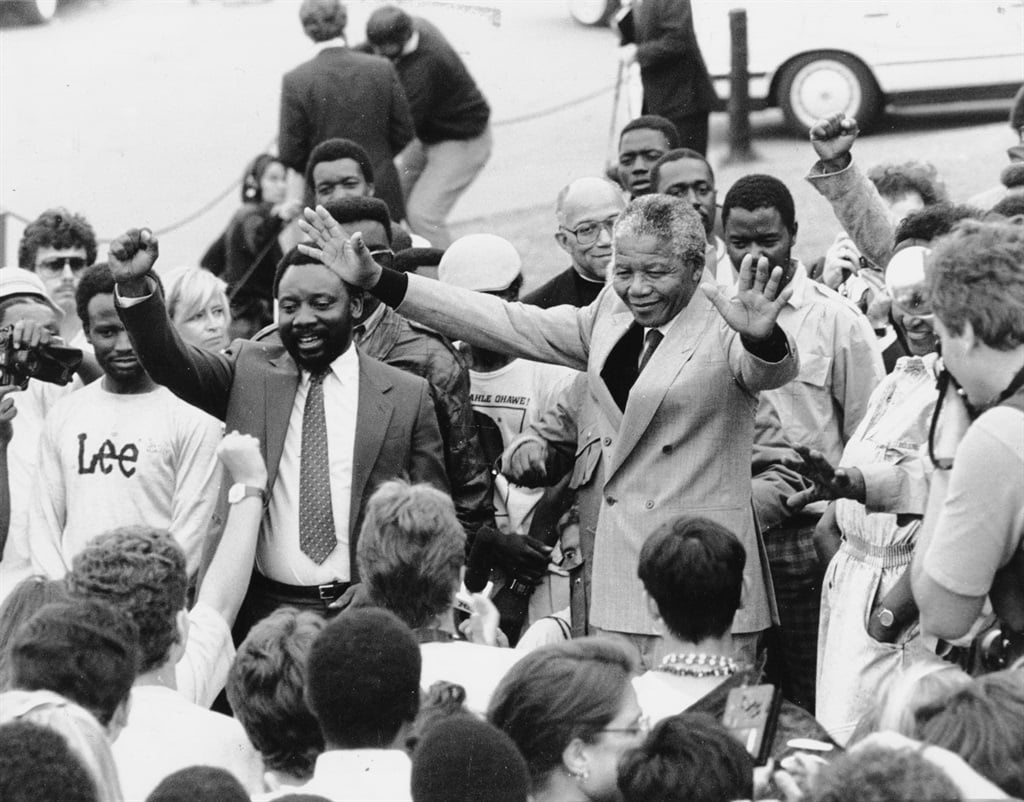
For example, in chapter 4, when Trevor was at H.A. Jack Primary, he struggles with his light skin color, which affects his place in the various groups in the school. His ability to speak multiple languages allowed him to feel more at home with his black peers than his white classmates. The power of language is also seen in Chapter 17. When he spoke to a fellow prisoner in their native language, Tsonga, he discovered a shared humanity that is beyond their appearance, showing how language can break barriers and build bridges. “ Language brings with it identity and a culture, or at least the perception of it. A shared language says we are the same. A language barrier says “We are different” ”Trevor’s relating to Nelson Mandela’s famous quote, “ If you talk to a man in a language that he understands, that goes to his head. If you talk to him in his , that goes to his heart,” emphasise the power of language to create genuine connections.

Identity,Belonging & exculusion

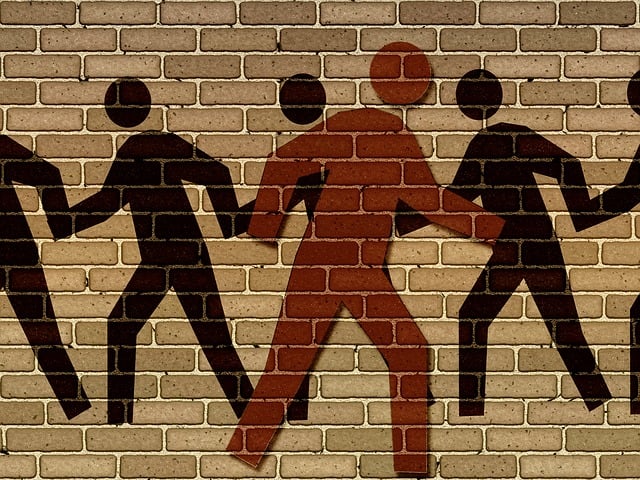
Noah’s identity as a mixed child in South African Apartheid. He was recognized/perceived as an outsider. Neither fully black nor fully white. This meant that in both races, he never belonged in any. He and other mixed South Africans were labeled as “colored”. The Apartheid laws also prevented him from openly declaring a relationship with his parents. Trevor and his mother were forced to hide their relationship to avoid trouble with the authorities. For example chapter 6 Trevor’s mother denies being his mother in the shop since she was black and Trevor was colored. Amidst all these challenges, Patricia’s faith, combined with her ability to find humor and hope even in the hard struggles they were going through, was a defining characteristic of their relationship. For example, after the harrowing experience on the minibus with the two Zulu men, Patricia credited their survival to God’s intervention, emphasizing the importance of faith in their lives. Church attendance and the religious gatherings provided Trevor with a sense of community and belonging.

Despite all the struggles Trevor went through in finding belongingness, his ability to speak many languages helped him find belonging in different communities. For example, he finds a sense of connection and support within the “cheese boys”, a group of mixed young men. Trevor’s navigation in different identities and finding belonging shows that it is possible to bridge different groups, showing that “ belonging is a choice and can be cultivated through self-definition rather than being imposed by circumstances.”

Patriarchy

The book reveals how patriarchal systems shape the society we live in,family structures , gender relations,culture,religion and even the legal systems. In many of the black south african communities Trevor sees how women are supposed to be obedient and submissive. Patricia’s relationship with Abel is a perfect example of patriarchy.Abel is threatened by her confidence and independence ,leading to him being violent.This violence depicts how some men in the society use force to maintain control when their women challenge the traditional structures of power. Patriarchy in legal systems is also shown in the story,when Abel constantly abuse his wife and the police do nothing,instead they laugh it off with him.The police would actually suggest that marriage cases should be handled privately.Even when Patricia is shot by Abel,the system still failed to punish him.

Book Summary

Apartheid’s effect still linger in Trevor’s mother, Patricia and Trevor was not able to be in his father’s life for over a decade.

Local community: Systemic inequality still persists in African communities. In Ethiopia, certain nationalities are privileged to jobs and others not so. In Kenya, white and indians have access to certain things and others not because of the color of their skin. And In South Africa, apartheid’s legacy remains visible in persistent racial inequalities, spatial segregation, and limited access to resources for Black communities. Decades after apartheid’s end, Black South Africans continue to face systemic barriers in education, employment, and housing, with many still living in under-resourced townships far from economic centers. The trauma and socioeconomic disadvantages inflicted by apartheid have been transmitted across generations, shaping attitudes, opportunities, and even psychological well-being.

Global context: the legacy of apartheid resonates with other societies struggling with the consequences of institutionalized racism such as the United States’ history of segregation, Australia’s treatment of Indigenous peoples, and caste-based discrimination in South Asia. These contexts reveal how legal and social systems can establish inequality long after discriminatory laws are reversed. Apartheid’s legacy is seen in the continued fight against racism, the demand for compensation , and the frameworks established to protect human rights. It remains a warning, a lesson, and a reuniting point for those seeking justice and equality in every society.
Blogs from Read Review

All Posts